What Is 2FA (Two-Factor Authentication)? Plus the Latest Digital Security Trends for 2026
What Is 2FA Authentication?
2FA, or Two-Factor Authentication, is a security protocol that requires users to complete an additional, independent verification step beyond just entering a password. In practical terms, it means users must provide not only something they know (like a password), but also something they have—such as an SMS code, a time-sensitive code from an authenticator app, or a security key—for a second layer of identity verification. This added step significantly boosts account security compared to password-only logins.
Why Is 2FA Essential for Modern Digital Security?
As online services, social media, e-commerce, Web3 wallets, and digital payments have become widespread, security incidents like account takeovers are increasingly common. Single-factor password authentication has long been vulnerable to brute-force attacks, password reuse, and phishing. Implementing 2FA adds a second security barrier to accounts. Cybersecurity research shows that enabling 2FA can dramatically reduce the risk of breaches caused by password leaks, making it a vital tool for preventing unauthorized access.
Common 2FA Methods: How They Work and Their Pros and Cons
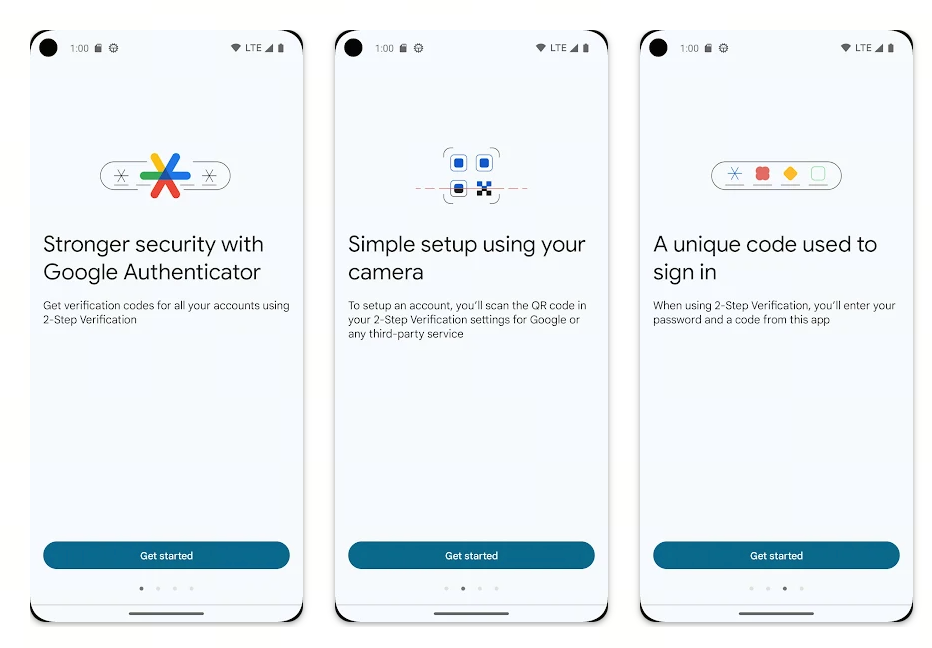
The most widely used forms of 2FA include:
- Time-Based One-Time Passwords (TOTP): Authenticator apps such as Google Authenticator, Authy, or Microsoft Authenticator generate short-lived codes. This is the most common 2FA method.
- SMS/Voice Verification Codes: A code is sent to your phone via SMS or voice call. While convenient, this method is less secure and susceptible to risks like SIM swapping.
- Hardware Security Keys (e.g., FIDO2/U2F): Physical devices that must be plugged in or detected via NFC for verification. These offer strong security but can be less convenient and more costly.
- Biometric and Key Combinations: Integrated approaches using device-embedded fingerprint or facial recognition, which balance security with convenience.
Each approach has its strengths and limitations. For example, SMS codes are user-friendly but less secure, while hardware keys provide the strongest security but at a higher cost and with less convenience.
2FA Security Challenges and Trends for 2026
Despite its benefits, 2FA now faces increasingly sophisticated threats:
1. Phishing and Adversary-in-the-Middle (AitM) Attacks: Modern phishing tools can mimic legitimate login processes and intercept both passwords and 2FA codes in real time, enabling attackers to access accounts even after 2FA is completed. These attacks pose significant challenges to traditional 2FA.
2. Evolving Payment Security Regulations: For example, the Reserve Bank of India (RBI) has mandated that, starting April 2026, all digital payments must use two-factor authentication. This regulatory shift will drive broader adoption of 2FA in critical sectors like finance.
3. Sophisticated Phishing Targeting Authentication: Recent attacks have disguised themselves as security update prompts, tricking users into entering private keys or authentication details on fake websites, leading to asset loss. Users should not only enable 2FA but also carefully verify the legitimacy of security prompts.
These developments show that 2FA is just one part of a robust security strategy. It should be combined with user education, device security, and advanced defenses such as phishing-resistant MFA and passwordless authentication to create comprehensive protection.
How to Enable and Manage 2FA Effectively
When setting up 2FA, consider the following best practices:
- Prioritize authenticator apps or hardware keys instead of relying only on SMS codes.
- Keep your recovery codes in a safe place to avoid being locked out if you lose your device.
- Regularly review your 2FA devices and methods to ensure your account security remains up to date.
- Enable 2FA for your most sensitive accounts first, such as email, financial platforms, and social networks.
As more services require or recommend 2FA, users should proactively adopt it as a standard security measure rather than treat it as an inconvenience.
Conclusion
In short, 2FA is no longer optional—it is now a baseline requirement for digital identity security. Whether you’re an individual or a business, understanding what 2FA is, how to implement it, and how to defend against related threats will help you protect your critical accounts and assets in an increasingly complex online world.
Share
Content


Related Articles

Crypto Future Profit Calculator: How to Calculate Your Potential Gains

Crypto Futures Calculator: Easily Estimate Your Profits & Risks

What is Oasis Network (ROSE)?
The $50M Crypto Scam Nobody Is Talking About

What Are Crypto Options?