NYSE Ushers in a New Crypto Era: Analyzing a 24/7 Blockchain-Based Platform for Tokenized Stocks and ETFs
1. Why Is NYSE Entering the Blockchain Space Now?
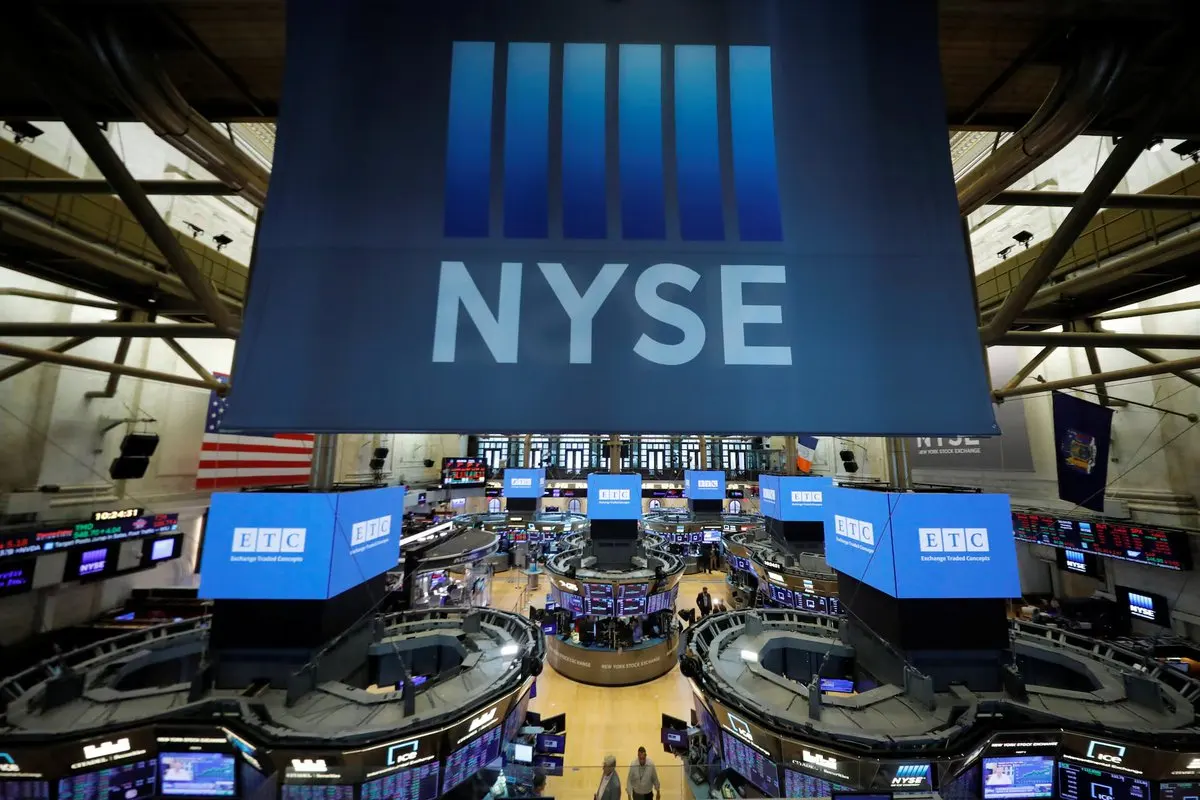
As crypto assets have rapidly evolved, investors now expect 24/7 trading, while traditional securities markets still operate just five days a week with set daily hours. Recently, the New York Stock Exchange (NYSE) parent company, Intercontinental Exchange (ICE), confirmed it is developing a blockchain-based platform for trading tokenized stocks and ETFs, with plans to support continuous, year-round trading. This announcement has drawn significant attention from the global financial industry and is seen as a pivotal moment for traditional markets embracing Web3.
Following this news, market consensus is that NYSE aims to secure a leading position in the future infrastructure for securities digitization. As worldwide demand for tokenized assets continues to climb, this initiative demonstrates clear forward-thinking.
2. Core Concepts: Tokenized Securities and 24/7 Trading
Tokenized stocks are traditional company shares issued as on-chain tokens, allowing real-time trading and settlement on blockchain networks.
The new blockchain platform offers three core features:
(1) Year-round trading: Investors can buy or sell stocks or ETFs at any time, eliminating the need to wait for market hours and potentially transforming cross-border participation.
(2) Instant settlement: Blockchain technology enables both parties to complete clearing and settlement in seconds, solving the T+1 delay found in traditional markets.
(3) Stablecoins as the main settlement tool: The platform is considering USD stablecoin for transaction settlement, meaning bank hours will no longer restrict the stock settlement cycle.
These features stand in sharp contrast to traditional securities systems and highlight the future of securities digitization.
3. What Market Structure Changes Will the New Platform Bring?
If NYSE’s 24/7 blockchain platform launches, it could fundamentally reshape global trading structures:
First, fully liberalized trading hours: Investors will no longer be constrained by time zones. Trading experiences for users in Asia and Europe will improve dramatically, making globally synchronized pricing more likely.
Second, enhanced market liquidity and activity: Around-the-clock trading creates more opportunities to buy and sell, helping to address traditional issues like low liquidity and wide bid-ask spreads.
Third, support for fractional shares and higher capital efficiency: Tokenized securities naturally enable fractional ownership, allowing users to invest smaller amounts in high-priced stocks and lowering barriers to long-term investing.
Fourth, comprehensive upgrades in trading speed and efficiency: Instant settlement reduces intermediaries, cuts costs, and minimizes market risk from delayed settlement.
This reform direction aligns closely with recent global fintech trends, signaling the start of deep transformation in traditional securities systems.
4. What Does This Mean for Investors?
For individual investors, the platform’s main advantages include:
- Ability to trade stocks at any time: Buy or sell instantly, even during holidays or overnight, with no need to wait for the market to open.
- Faster settlement and lower costs: No more waiting for T+1 settlement—assets settle instantly on-chain, greatly improving efficiency.
- More flexible portfolio strategies: Fractional shares and stablecoin settlement allow for more flexible investment strategies, making approaches like dollar-cost averaging and arbitrage easier to implement.
- More cross-market opportunities: 24/7 trading lets investors respond in real time to global macro events such as interest rate decisions, geopolitical conflicts, or breaking news.
In the long run, this could attract a significant number of crypto users to the tokenized securities market, bringing new capital into the ecosystem.
5. Regulation, Risks, and Future Uncertainties
Despite a promising outlook, the platform still faces several structural challenges:
First, SEC approval is still pending: Regulators remain cautious about securities tokenization, and the market must wait for further policy clarity.
Second, stablecoin compliance remains uncertain: Using stablecoins for securities settlement will receive heightened scrutiny, and their reserves, audits, and risk controls must meet securities-grade standards.
Third, 24/7 markets require robust risk controls: Continuous trading could increase volatility, making system stability and security paramount.
All these factors will impact the platform’s launch timeline and market acceptance.
6. Conclusion: Where Traditional Finance Meets Crypto Technology
The NYSE’s 24/7 blockchain platform marks one of the most significant steps in the digital transformation of traditional finance. If successful, it could fundamentally change how global stock markets operate, making securities trading as accessible as crypto. While regulatory and technical challenges remain, there’s no doubt this will be one of the most revolutionary fintech trends of 2026.
Share
Content
1. Why Is NYSE Entering the Blockchain Space Now?
2. Core Concepts: Tokenized Securities and 24/7 Trading
3. What Market Structure Changes Will the New Platform Bring?
4. What Does This Mean for Investors?
5. Regulation, Risks, and Future Uncertainties
6. Conclusion: Where Traditional Finance Meets Crypto Technology


Related Articles

Crypto Future Profit Calculator: How to Calculate Your Potential Gains

Crypto Futures Calculator: Easily Estimate Your Profits & Risks

What is Oasis Network (ROSE)?
The $50M Crypto Scam Nobody Is Talking About

What Are Crypto Options?