How to Become a Top NFT Artist? The Ultimate Guide 2026
What Are NFTs and the Rise of NFT Artists
In November 2025, Beeple showcased his piece Regular Animas at Art Basel and gave away NFTs of the same name on-site for free. According to secondary market prices, several of these NFTs fetched over 10 ETH each. Even after a price correction, they continue to trade around 2 ETH, or roughly $6,000.
For illustrators, designers, or generative artists starting from scratch in the NFT world, reaching Beeple’s stature is a significant challenge. However, if you’re interested in exploring a new field and its possibilities, this article will introduce you to the most influential NFT artists and current trends.
Before we dive into advanced strategies, it’s essential to understand the foundational logic that has transformed the industry.
In simple terms, an NFT (Non-Fungible Token) is a digital asset created on the blockchain. Unlike digital items purchased in games like Candy Crush or Call of Duty, NFTs have the following characteristics:
- Non-fungibility: Each token is unique and cannot be exchanged on a one-to-one basis.
- On-chain ownership: Your work is bound to your wallet through a smart contract.
- Verifiable scarcity: While anyone can right-click to save an image, only NFT holders have the “authentic ownership” recognized by the entire network.
NFTs have broad applications—they can be artworks, animations, photos, film clips, poetry, music, 3D files, or even functional assets like membership cards or tickets. This guide, however, focuses on “art NFTs”—visual works valued for their aesthetics, expression, and collectibility.
NFT artists are creative professionals who mint, release, and manage their works using blockchain technology. As soon as a creator’s work is represented by an on-chain NFT, they enter this space. In the decentralized NFT world, there are no intermediaries between artists and collectors, so artists interact directly with blockchain platforms and smart contracts, giving them greater autonomy over technical and business decisions.
Leading NFT Artists
According to NFT PRICEFLOOR, more than 320 NFT artists are currently listed. Based on historical sales data, we’ve highlighted several of the most notable artists below, along with a brief overview of their styles and contributions:
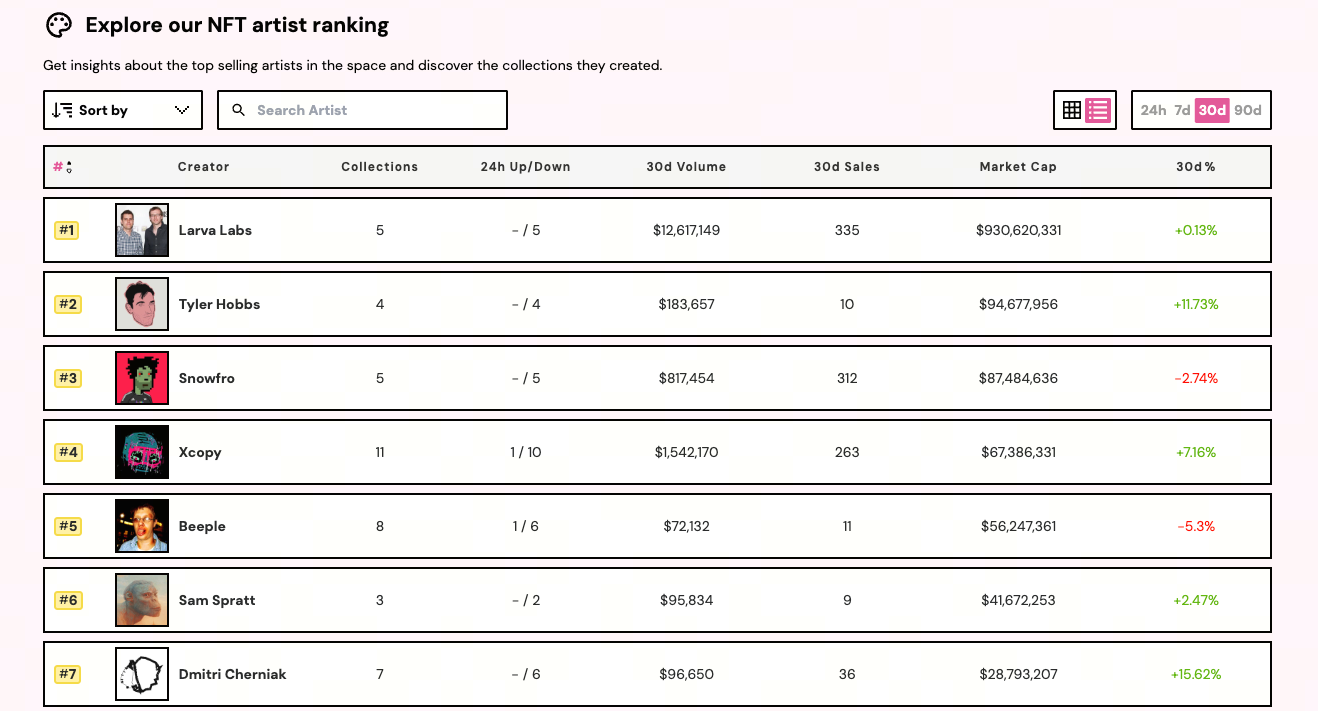
Screenshot source: NFT PRICEFLOOR official website
Tyler Hobbs: Champion of Algorithmic Aesthetics
- Signature Series: Fidenza (Art Blocks Curated)
- Style and Contributions: Hobbs centers his work on “flow field algorithms,” fusing meticulous programming logic with organic, random, and expressive lines. He has elevated “long-form generative art” to its peak. The success of Fidenza proved that algorithms can generate not just images, but cohesive artistic narratives with a distinct aesthetic, raising Art Blocks’ profile in the process.
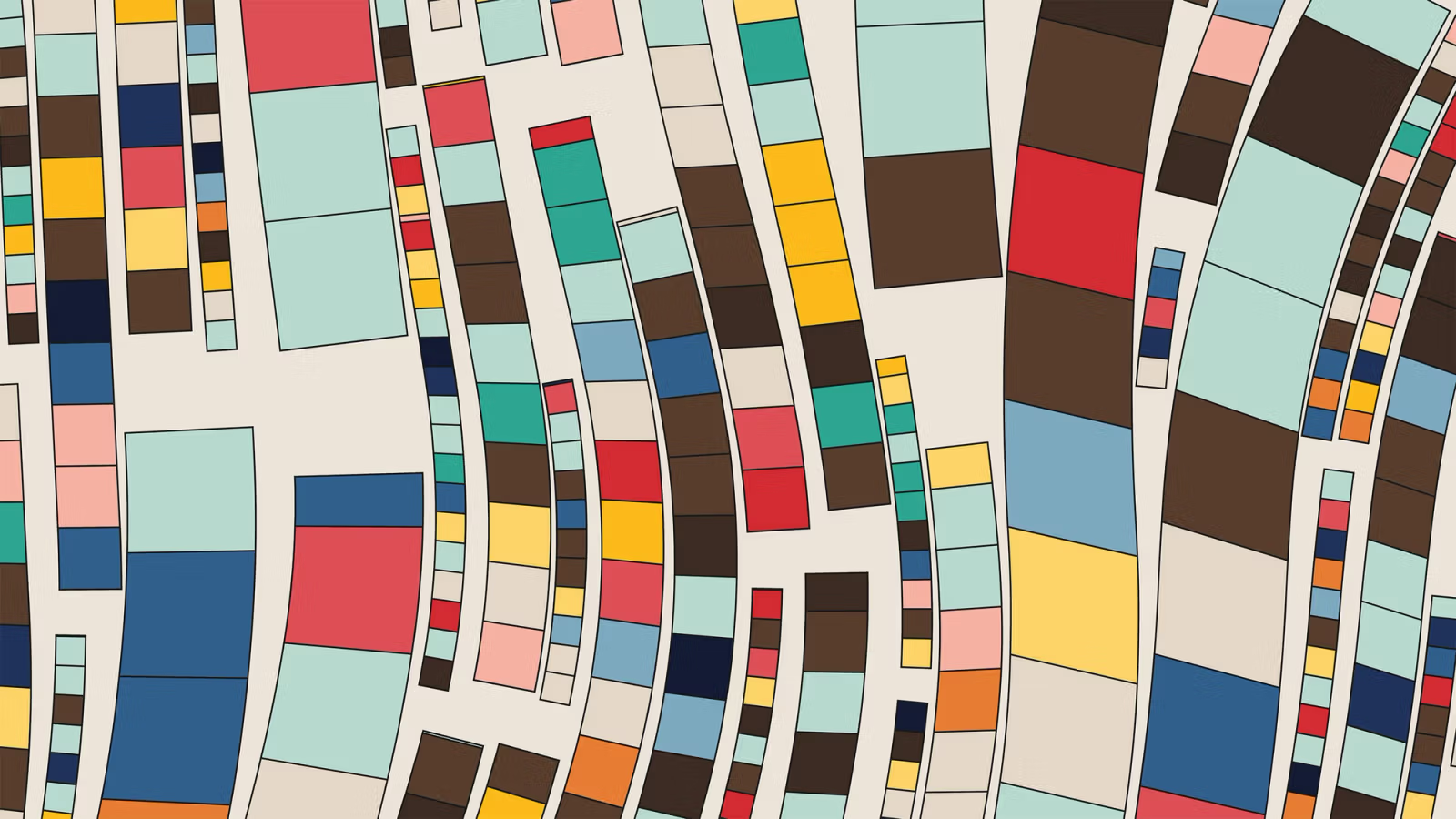
Image source: TylerHobbs
Snowfro (Erick Calderon): Foundation of Generative Art
- Signature Series: Chromie Squiggle
- Style and Contributions: Chromie Squiggle features rainbow-hued, undulating lines that appear simple but are actually generated in real time using blockchain hash values. Chromie Squiggles was among the first generative NFT projects at Sotheby’s auctions, with two pieces selling for $4 million each at the end of 2022. Erick pioneered the “minting as creation” model.
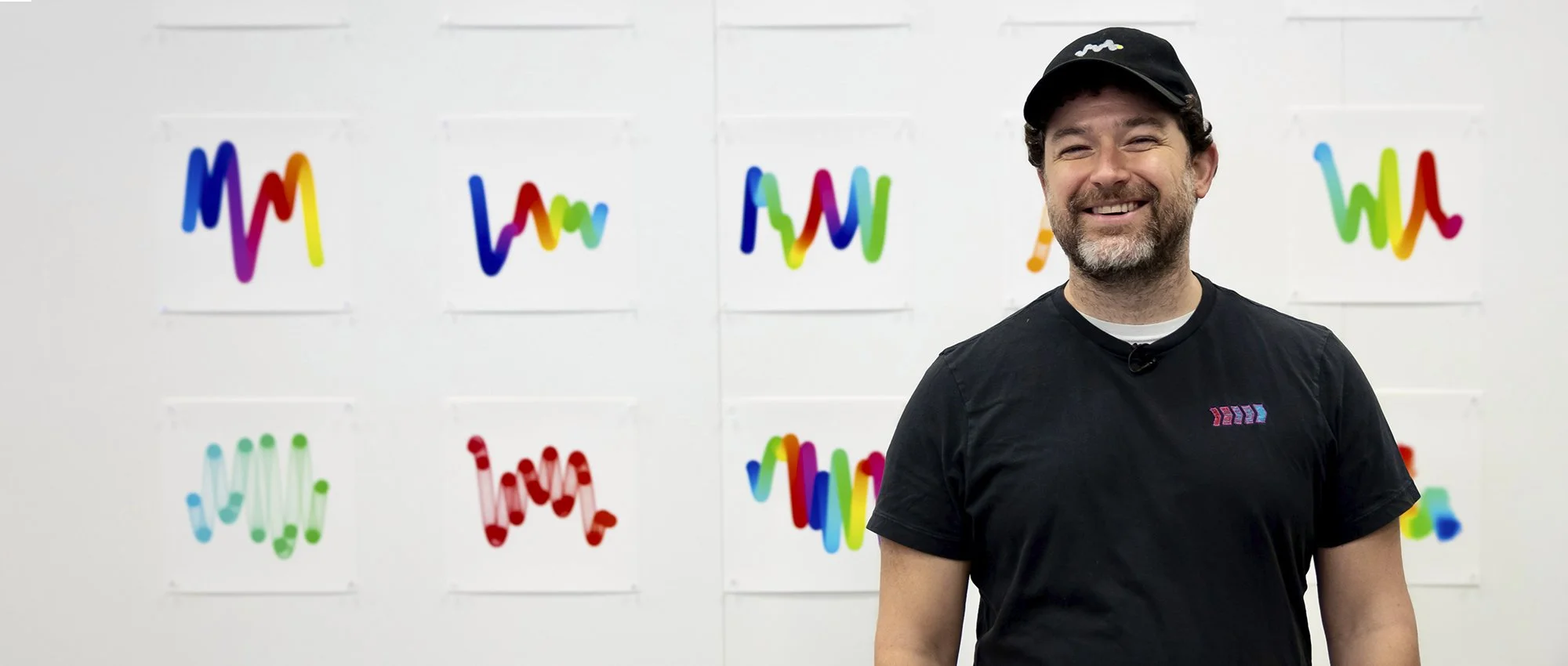
Image source: Iconicmoments official website
Beeple: Pioneer of Mainstream NFT Adoption
- Signature Series: Everydays: The First 5000 Days
- Style and Technique: Surreal digital art combining 3D modeling, political satire, and pop culture. In 2021, Beeple’s Everydays: The First 5000 Days sold at Christie’s for $69.34 million, thrusting NFTs into the global spotlight.
Sam Spratt: Master of Narrative and World-Building
- Signature Series: The Monument Game, Luci
- Style and Technique: Digital paintings with a classical oil painting texture, marked by highly detailed brushwork and sweeping epic narratives. Sam Spratt redefined community-driven storytelling.
- Sam once remarked, “Strangely, the crypto and NFT space seems to attract many people who missed something.”
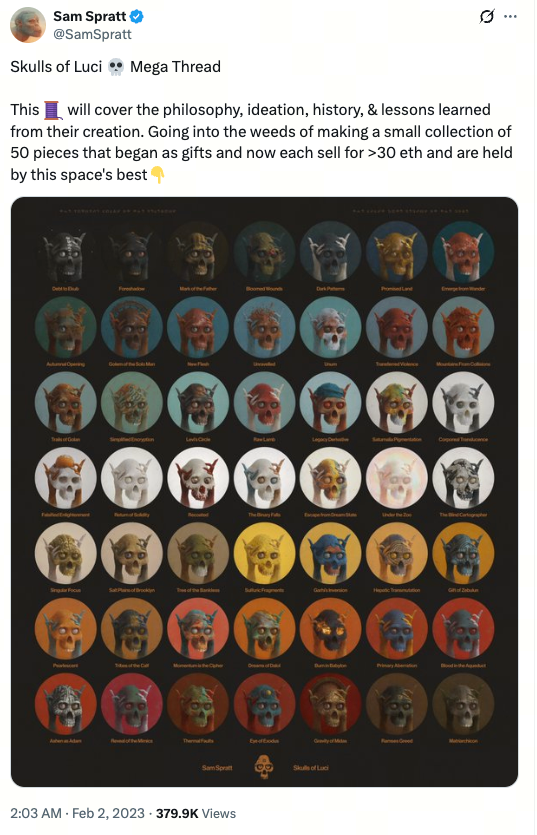
Screenshot source: X
Dmitri Cherniak: Leading Contemporary Generative Artist
- Signature Series: Ringers
- Style and Contributions: The Ringers series consists of 1,000 pieces based on the “rope around pegs” concept. The algorithm generates endlessly varied geometric forms by altering peg arrangements, wrapping logic, thickness, and color. Ringers #879, renowned for its goose-like shape, sold for about $6.2 million at Sotheby’s in 2023.
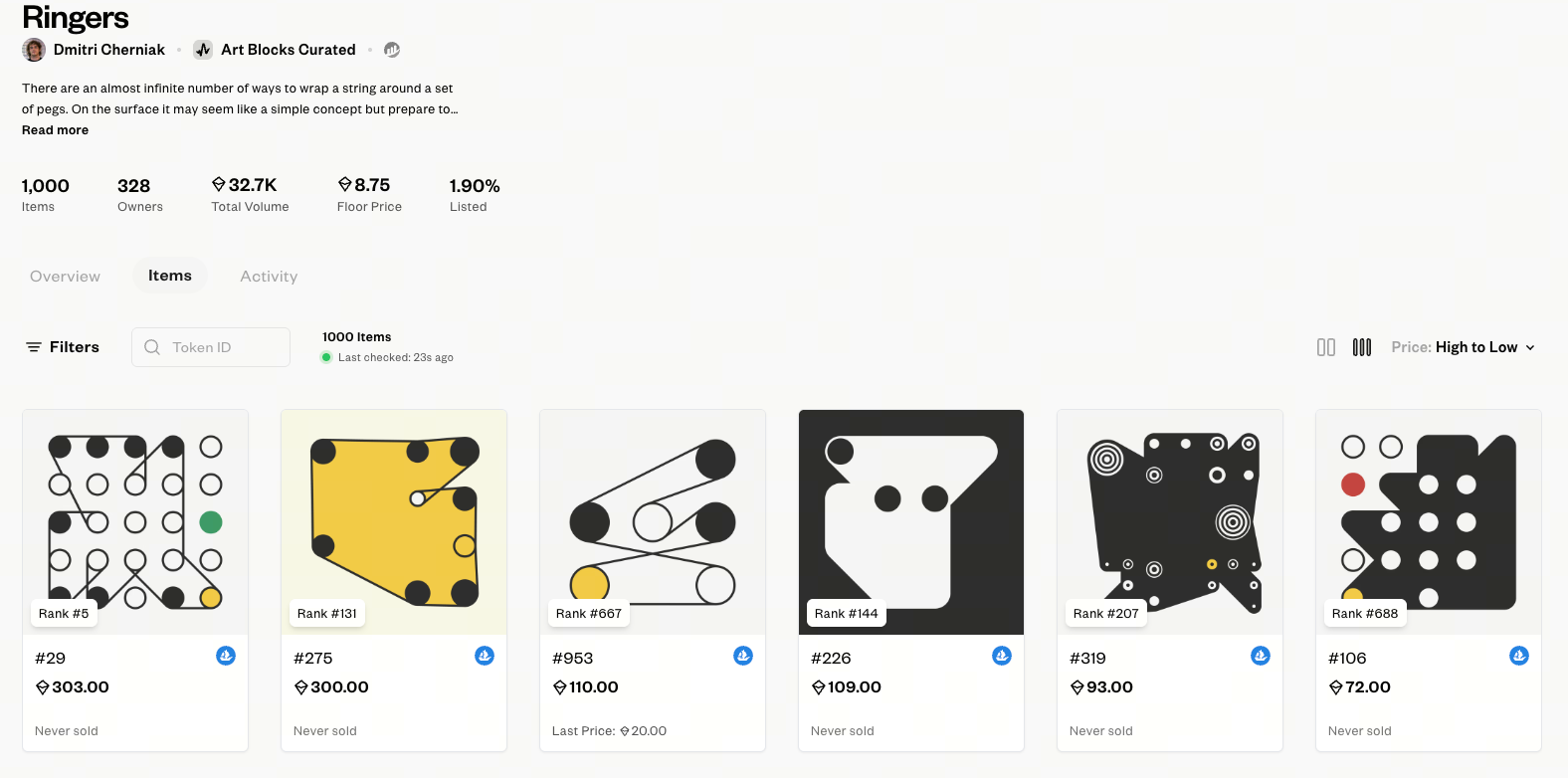
Screenshot source: Art Blocks official website
Xcopy: The “Dark Punk” of Crypto Art
- Signature Series: Right-click and Save As Guy, All Time High in the City
- Style: Distinctive flickering GIFs, glitch art, and explorations of death and dystopia.
It’s worth noting that Larva Labs, which ranks highly in the screenshot above, was founded by Matt Hall and John Watkinson. Their CryptoPunks established the PFP (profile picture) culture and standards for scarcity, while their subsequent Autoglyphs project became the first generative art experiment to run entirely on-chain.
Other acclaimed artists include Pak, FEWOCiOUS, and Hackatao, whose works have also attracted significant market attention and enthusiasm.
How to Succeed as an NFT Artist
In the competitive crypto art market, stunning artwork alone isn’t enough to stand out.
This is especially true in the NFT space, where more platforms are supporting NFT launches and entry barriers are lower than ever. Top artists succeed by building visual systems or narrative frameworks that can be iterated over time. Beeple, for example, began his “Everyday” project in 2007, creating and posting a digital image every day for 13 years, ultimately producing 5,000 works and culminating in a $69 million auction.
Top NFT artists are also master strategists who know how to position themselves in volatile markets and leverage technology to empower their art.
Fidenza creator Tyler Hobbs shared in an interview that he has been refining his organic curve generation technique since 2016. By balancing predictability and surprise through algorithms, he ensures that high-quality output is maintained even in large-scale generation, allowing buyers to experience real-time algorithmic uniqueness during minting. This distinctiveness led to all 999 NFTs in the series selling out in under an hour.
Initially, the most popular NFTs were on Ethereum. Over time, however, Ethereum’s scalability and high gas fees have become more pronounced challenges. For creators seeking high-frequency interactions and low-cost experimentation, blockchains like Solana and Base offer greater flexibility.
On Solana, for example, notable platforms like Magic Eden and Tensor are worth exploring for new artists. Magic Eden, currently the largest NFT marketplace on Solana, offers the strongest liquidity and a comprehensive launchpad. On January 19, Magic Eden announced that starting February 1, it would allocate 15% of its revenue directly to the ME token ecosystem. Of this, 50% will go toward ME token buybacks on the open market, while the remaining 50% will be distributed in USDC to ME stakers based on staking weight.
Conclusion
Compared to traditional art, NFTs are compelling because of their programmability and limitless customization. They have not only transformed how art is delivered, but also redefined the relationships between artists and collectors, and between works and protocols.
As demonstrated by Beeple, Tyler Hobbs, Erick Calderon, Sam Spratt, Dmitri Cherniak, and other NFT artists, there are many paths to success in the NFT space.
For new NFT creators, there’s never been a better time to get started. Don’t hesitate to experiment with new styles, technologies, or modes of interaction—the blockchain world offers boundless opportunities for innovation and success.
Share
Content


Related Articles
Top 10 NFT Data Platforms Overview

7 Analysis Tools for Understanding NFTs
What is Blum? All You Need to Know About BLUM in 2025
What is NFTs Marketplace Aggregator?