What is Saitama Crypto?
What Is Saitama Cryptocurrency (SAITAMA)?
Saitama (SAITAMA), also known as SAITAMA INU, is an ERC-20 token built on the Ethereum blockchain, primarily designed for community engagement and on-chain transactions. As an ERC-20 token, it adheres to Ethereum’s widely adopted token standard, ensuring compatibility with most Ethereum wallets and decentralized applications. Saitama falls under the meme coin category, meaning its value is driven by community consensus, social buzz, and liquidity rather than by cash flow or protocol-generated revenue.
Current Price, Market Cap, and Circulating Supply of Saitama (SAITAMA)
As of 2026-01-21 06:12 UTC (user-provided data), SAITAMA is priced at approximately $0.000178, with a circulating market cap of around $156,271 and a fully diluted market cap of about $178,047.80.
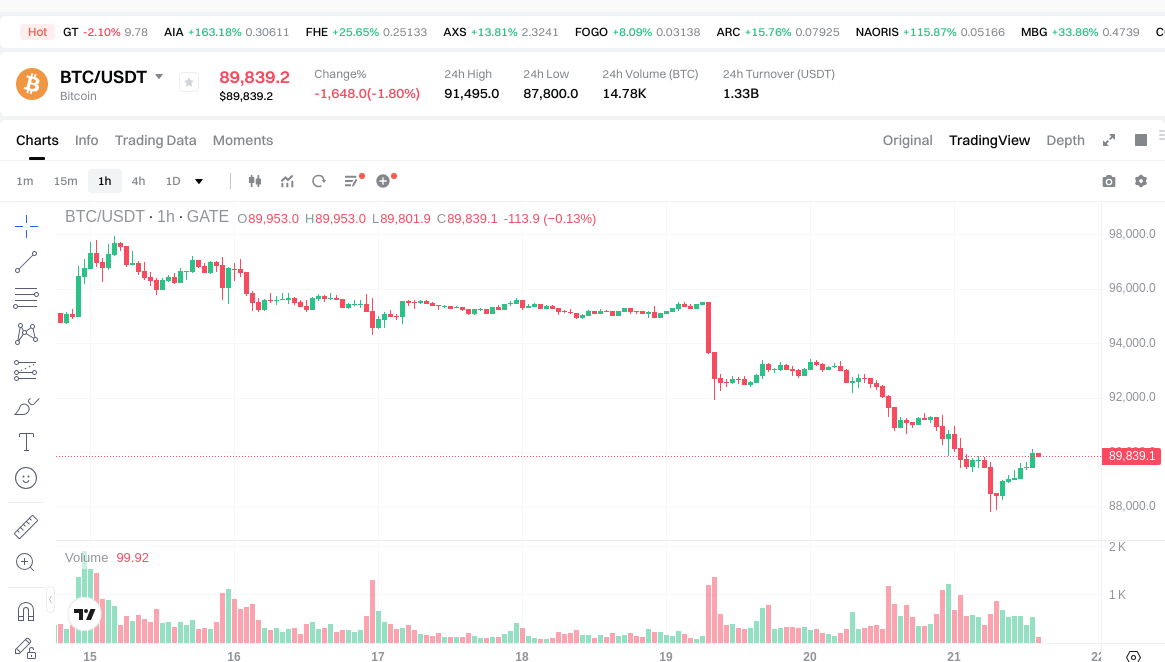
Click to view SAITAMA USDT Price
The circulating supply is 877,691,270 tokens, matching the total supply. The maximum supply is capped at 1,000,000,000 tokens, indicating a high proportion of tokens have already been issued.
The 24-hour price change stands at -32.7052%, the 7-day change at +23.9242%, and the 30-day variation at -2.0360%. There are 2 active trading pairs; no valid 24-hour trading volume is shown, which typically suggests low trading activity or limited depth. This means traders should be cautious about slippage and trade execution paths. Slippage refers to the difference between the expected order price and the actual executed price, often occurring in pairs with limited liquidity.
Who Created Saitama (SAITAMA) and When?
Saitama INU was launched on July 7, 2024 (user-provided data). The official website is https://saitamaeth.com/. Public information indicates that Saitama is a community-oriented project; as of 2026-01-21, the website does not prominently display the core team. It is recommended to verify details using the contract and on-chain data.
How Does Saitama (SAITAMA) Work?
SAITAMA follows the ERC-20 standard, allowing users to send and receive tokens via Ethereum-compatible wallets; network fees (gas fees) are paid in ETH. The token’s “total supply,” “maximum supply,” and “circulating supply” describe the issuance scale: maximum supply sets the upper limit (1 billion), total supply is the amount minted to date, and circulating supply is what's available for trading.
Features like transaction taxes, burn mechanisms, or blacklisting are determined by the smart contract code and can be checked on block explorers such as Etherscan. Burning refers to sending tokens to an irretrievable address, reducing overall supply; if implemented, this will impact long-term circulating supply and valuation models.
What Can You Do With Saitama (SAITAMA)?
Key use cases include:
- Engaging with meme culture and community-driven activities such as tipping or collectibles.
- Trading spot pairs and experimenting with asset allocation on supported exchanges.
- Holding and transferring SAITAMA within the Ethereum ecosystem using compatible wallets for on-chain operations.
Since meme assets rely heavily on community initiatives and external integrations, their practical utility depends on ongoing contributions from partners and developers.
Major Risks and Regulatory Considerations for Saitama (SAITAMA)
- Liquidity & Depth: With only 2 trading pairs and no reported valid 24-hour volume, SAITAMA may experience high slippage and unstable trade execution.
- Volatility: Large short-term price swings can result from new capital inflows or actions by major holders.
- Smart Contract & Fake Addresses: Always verify contract addresses through official sources or reputable block explorers to avoid buying lookalike tokens.
- Operational & Information Asymmetry: Limited team transparency means users should independently verify announcements and contract permissions.
- Regulatory Compliance: Crypto asset regulations differ across jurisdictions; ensure local compliance and tax obligations are understood.
- Network Fees & Transaction Risks: During Ethereum congestion, gas fees may spike and transactions can fail, incurring extra costs.
How to Buy and Safely Store Saitama (SAITAMA) on Gate
Step 1: Register and Complete KYC. Sign up on Gate’s website or app, complete identity verification and CAPTCHA, enable two-factor authentication (2FA) for enhanced account security.
Step 2: Deposit Funds or Buy USDT. Use fiat channels to purchase USDT or transfer USDT from an external wallet/platform to your Gate account. Select the correct network when depositing to prevent losses from incorrect chains.
Step 3: Search and Place Your Order. Navigate to the “Spot” page and search for “SAITAMA.” If a SAITAMA trading pair exists, review order book depth and recent trades before choosing limit or market orders; pay attention to slippage and trading fees. If not listed, use Gate’s Web3 wallet to connect to Ethereum and trade via decentralized swaps—always confirm the official contract address and set minimal slippage.
Step 4: Withdraw to a Self-Custody Wallet (Optional). For long-term holding, withdraw SAITAMA to your personal Ethereum wallet (ERC-20). Always test with a small amount first; verify addresses carefully and securely back up your seed phrase offline.
Step 5: Account & Asset Security. Enable withdrawal whitelist, device management, and abnormal login alerts on Gate; beware of phishing links and excessive wallet authorizations during on-chain operations—regularly revoke unnecessary contract approvals.
Note: Ethereum network fees are paid in ETH; keep a small ETH balance for transactions.
How Does Saitama (SAITAMA) Differ From Shiba Inu (SHIB)?
- Issuance & Scale: SHIB has a longer history, higher circulating supply, greater market cap, and more trading pairs; SAITAMA launched in 2024 with a smaller market presence.
- Ecosystem & Utility: SHIB boasts a multi-faceted ecosystem (community initiatives, NFTs, integrations), whereas SAITAMA remains community-focused with ecosystem development in early stages.
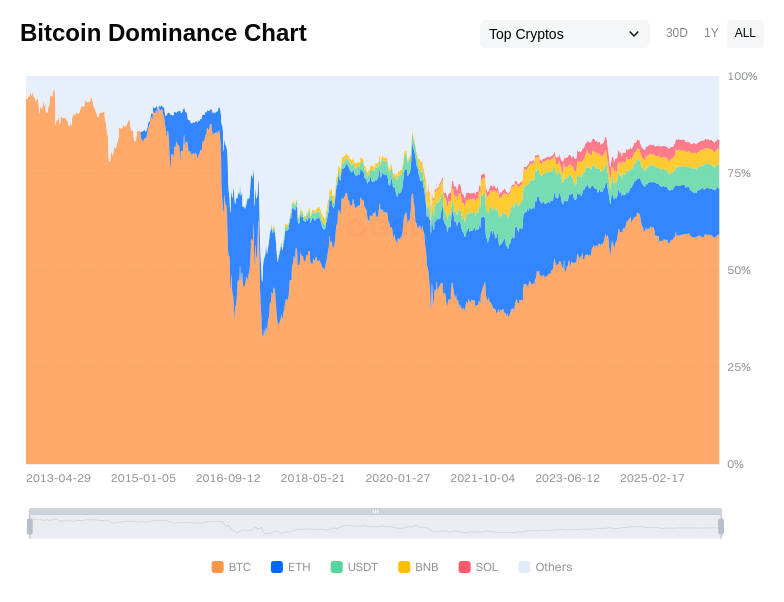
Click to view Top Crypto Market Cap Share
- Liquidity & Trading Experience: SHIB typically offers greater liquidity and lower slippage; SAITAMA has fewer trading pairs requiring careful attention to trade execution.
- Common Ground: Both are Ethereum-based ERC-20 meme tokens with prices highly influenced by community sentiment and market trends.
Summary of Saitama (SAITAMA)
Saitama is an ERC-20 meme token on Ethereum featuring a fixed maximum supply and strong community orientation. As of January 21, 2026, its market cap remains modest with limited trading pairs, significant short-term volatility, and relatively low trading activity—making slippage and liquidity key considerations. You can trade spot on Gate or manage funds using Gate’s Web3 wallet for on-chain swaps on Ethereum—always verify contract addresses and manage position sizes responsibly. For beginners, start small, thoroughly vet information, set up robust security measures, monitor liquidity and community growth dynamically before increasing exposure or committing to long-term holding.
FAQ
What Is the Total Supply of Saitama? Why Does It Matter?
Saitama has a total supply of 10 quadrillion tokens—a very high number. Such large supplies typically mean low per-token prices but can lead to inflationary pressures. Investors should monitor burn mechanisms and circulating supply management to assess long-term value stability.
How Does Saitama’s Burn Mechanism Work?
Saitama features an automatic burn mechanism, destroying a percentage of tokens with every transaction. Tokens sent to burn addresses cannot be recovered; over time this helps mitigate inflation associated with high supply.
Does Holding Saitama Earn Reflection Rewards?
Yes—Saitama uses a reflection mechanism where holders automatically receive dividends from every transaction. These rewards are distributed directly from transaction fees to token holders’ wallets. Actual returns depend on transaction activity levels.
Where Can You Buy Saitama?
Saitama is mainly traded on decentralized exchanges (DEXs) like Uniswap and is also listed on select centralized exchanges including Gate. Buying through Gate offers better security and liquidity—new users are advised to stick to reputable platforms and always verify contract addresses to avoid fake tokens.
What Are Meme Coin Features & Risks for Saitama?
As a meme coin, Saitama is highly community-driven with notable price volatility; its value relies on social engagement rather than technical innovation or real-world utility. Meme coins carry significant risk—prices may swing wildly. Only invest discretionary funds you can afford to lose and avoid chasing price spikes.
Saitama (SAITAMA) Key Terms Overview
- Tokenomics: Refers to total supply, circulating supply, allocation mechanisms—determining token value and scarcity.
- Liquidity Pool: DEX smart contract pools holding assets for swapping.
- Slippage: The difference between expected trade price and executed price—higher when liquidity is low.
- Burn Mechanism: Reducing circulating supply through periodic or transactional token destruction.
- Smart Contract: Blockchain program automating token issuance, trading rules, etc.
- Wallet Address: Blockchain identifier used for receiving, sending, and storing crypto assets.
Saitama (SAITAMA) Reference & Further Reading
-
Official Website / Whitepaper:
-
Development / Documentation:
-
Media / Research:
Related Articles

What Are Altcoins?
What is Blum? All You Need to Know About BLUM in 2025